Nigella Delft Blue




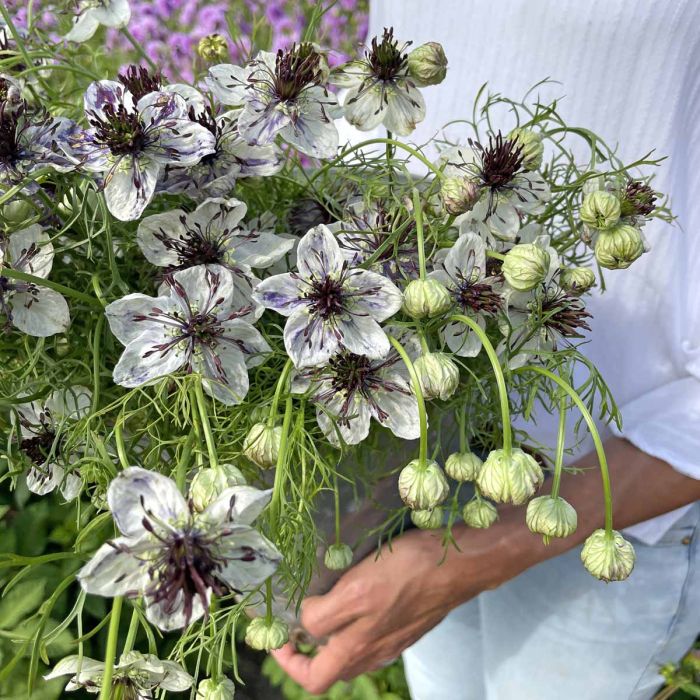
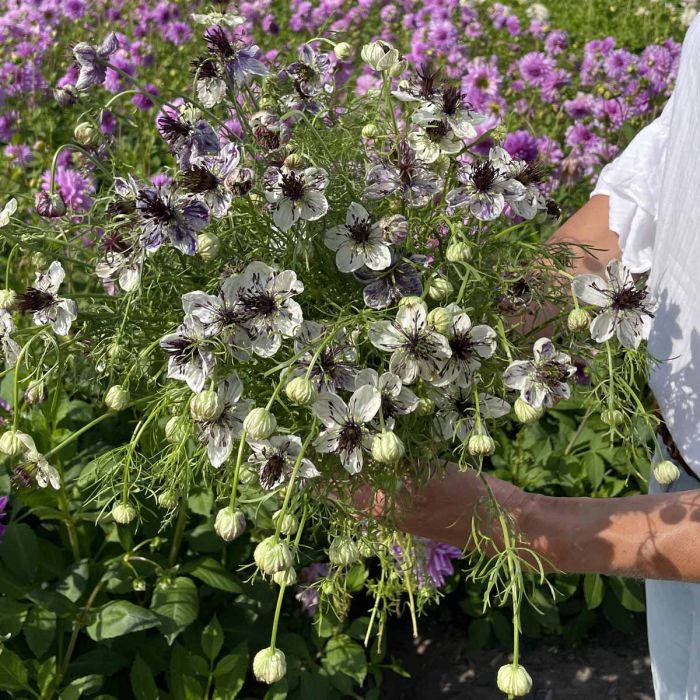
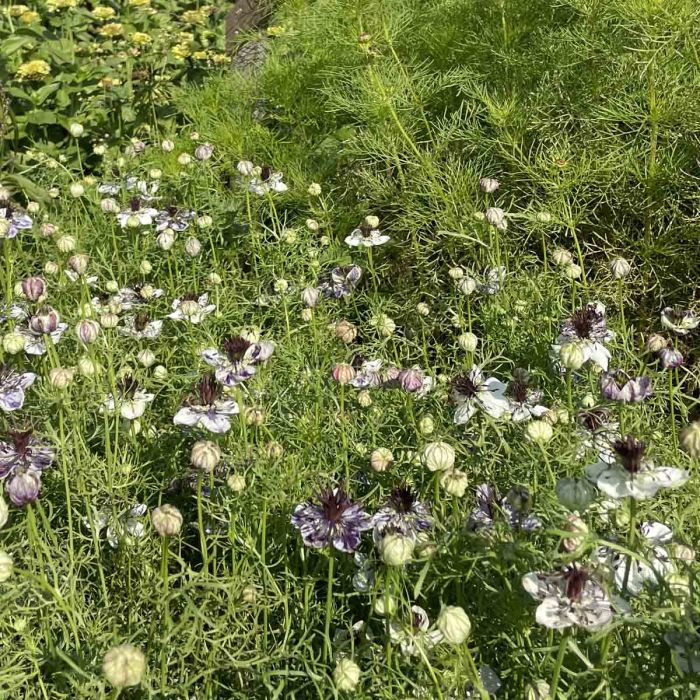
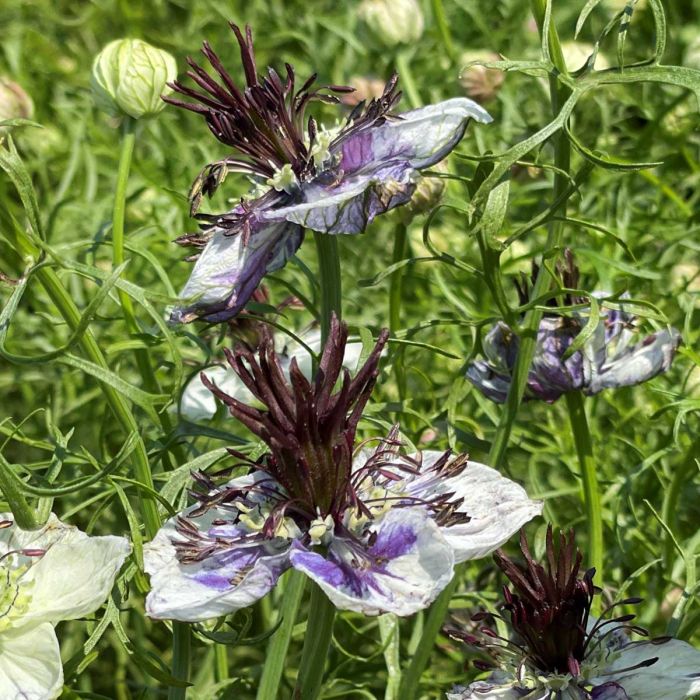
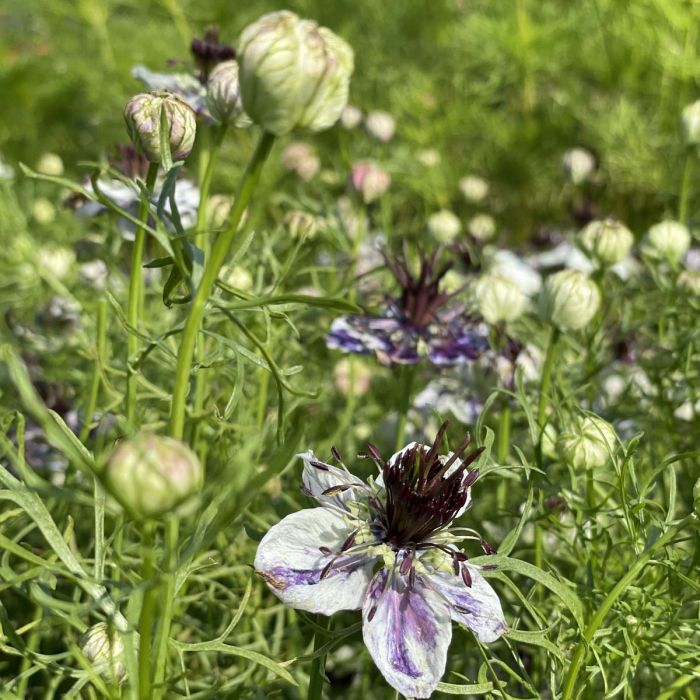
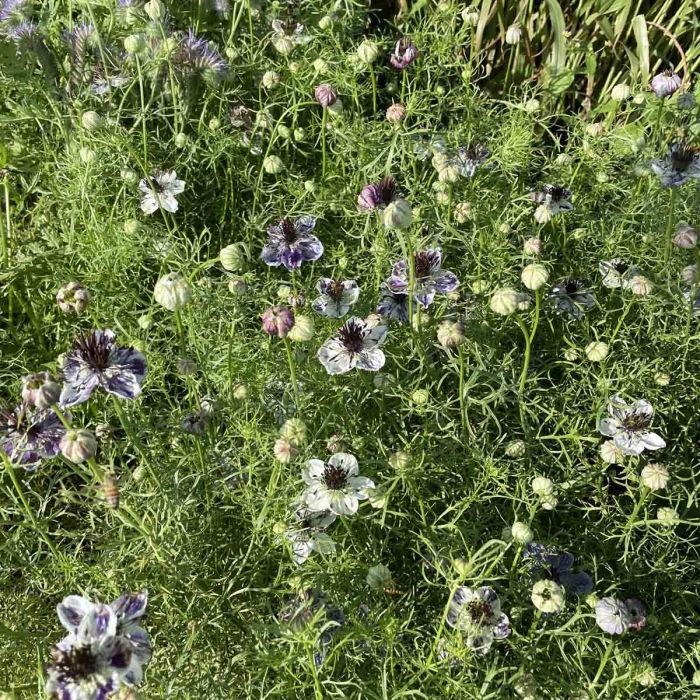
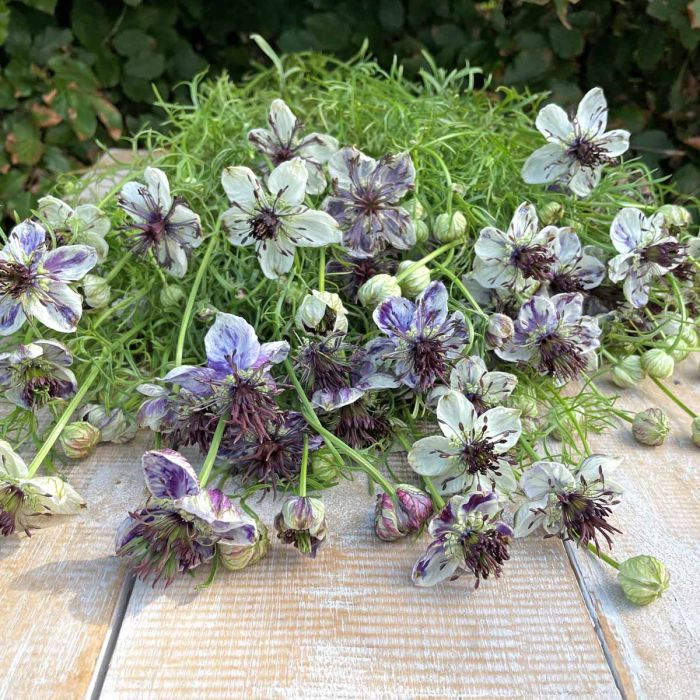
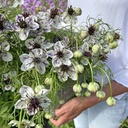
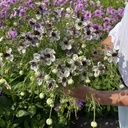
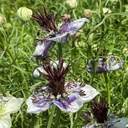
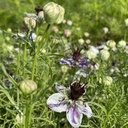
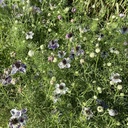
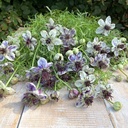
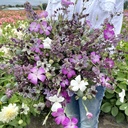
It’s no coincidence this Nigella is named after the famous Delft Blue pottery. It features blue and blue-grey splashes in various shades with a deep purple centre.
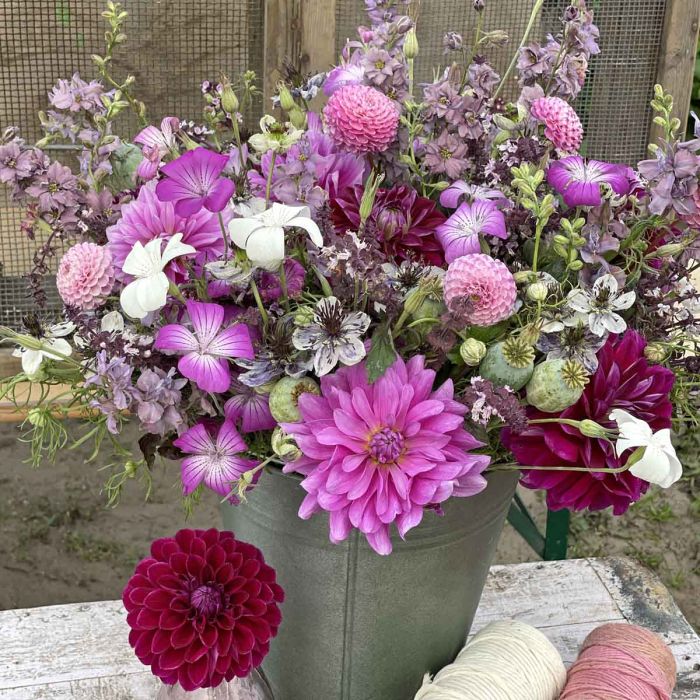
It produces stunning seed pods that can be used in fresh or dried arrangements.
Regularly cut the flowers to encourage growth and extend the blooming period. The seeds are edible and known as ‘black cumin’ in the kitchen.
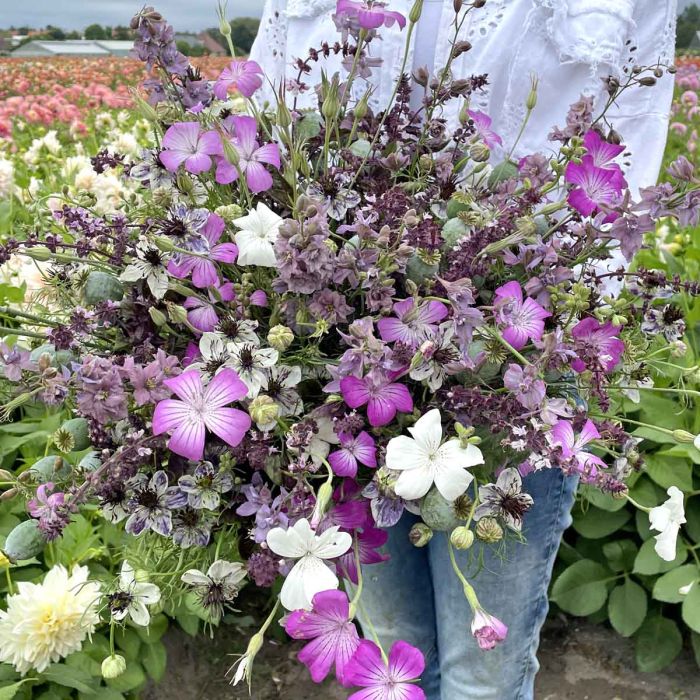
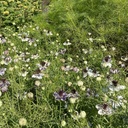
This annual summer bloomer performs well as both a cut flower and a dried flower. A true addition to any cutting garden, vegetable garden, or dried bouquet!
1 bag ≈ 0.3 grams ≈ 200 seeds
Specifications
| Suitable as a cut flower | Yes |
| Attacts bees and butterflies | Yes |
| Suitable as dried flower | Yes |
| Height Plant | 75 cm |
| Planting time | April-June |
| Flowering time | July-September |
| Planting site | full sun |
| Type of product | Flower seeds |
| Plant depth seeds | 0,5 cm |
| Germination time | 1-2 weeks |
| Growing time to bloom | 9-10 weeks |
Tips
When to sow Nigella
Direct outdoor sowing: From April–May, once the risk of frost has passed and the soil temperature reaches at least 16°C. Sow every 2–3 weeks until early summer for a longer blooming period. Three to four sowings ensure continuous flower production. Autumn sowing is also possible for flowering the following year.
Indoor sowing: From March–April in larger pots. Harden off young plants outdoors and transplant after the last frost.
Sowing method
Sowing depth: Sow directly into the open ground at a depth of 0.5 cm.
Spacing: Keep 15–20 cm between plants for proper air circulation and room to grow.
Thinning: Once seedlings are large enough to handle, thin them out so the strongest plants have space to develop.
Location and soil
Light: Full sun is ideal, but light partial shade is also tolerated.
Soil: Well-drained, loose soil. Nigella tolerates dry conditions well, but thrives in fertile, airy soil.
Nigella care
Watering: Water moderately, especially during dry spells. Avoid wet soil to prevent root rot.
Support: Tall varieties or windy spots may require light support.
Self-seeding: Leave some seed pods in place for natural reseeding the following season.
Pests and diseases: Nigella is a strong plant with few problems from pests or disease.
Harvesting and drying
Fresh bouquets: Cut flowers just as they open for use in fresh arrangements.
Dried flowers: Allow blooms to fade and wait for the distinctive seed pods to appear. Cut stems and hang upside down in a dry, airy place to dry.
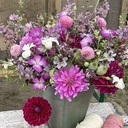
Combining: Pairs well with flowers like cosmos, sweet peas, and calendula for a natural, wild look.
How many seeds per square metre?
Each packet contains enough seeds for about 1 m² of flowers. This can vary by variety, so consider the mature size of the plants.
Tip: Don’t sow everything at once. Sow in stages to extend the blooming period and have a backup in case the first sowing doesn’t go as planned. A single seed can grow into a full plant – give them space.
Store seeds in a cool, dry place – they’ll remain viable for 2 to 3 years.
Want more tips on sowing and caring for your flower seeds?
Read the full sowing & planting guide on our blog.
Grow your own happiness with our annual flowers – sow, care, harvest & enjoy!
Our annual flower seeds are of the highest quality – perfect for cut flowers and loved by professional growers. Thanks to their high germination rate, you’ll enjoy excellent blooming success.
Since these flowers complete all their growth stages – from seed to bloom – in just one season, they hold incredible growth power.
The result? Months of flowering joy! And best of all, for many varieties: the more you pick, the more flowers they’ll produce.
Our seeds are untreated and uncoated, making them ideal for growing organic flowers.
More beauties from our farm:

To install this Web App in your iPhone/iPad press
 and then Add to Home Screen.