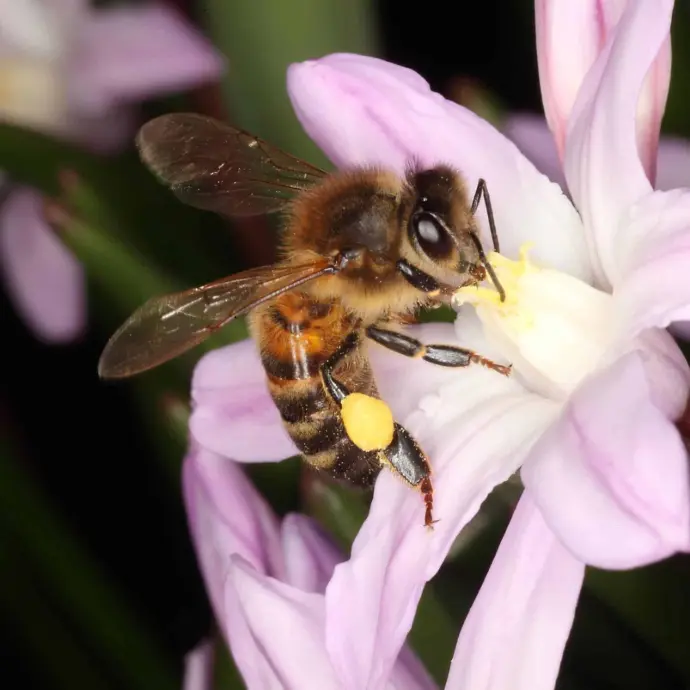
The first rays of sunshine of the year often bring a little taste of spring, even though there's still not much happening in the garden. But this is exactly when the first bees and bumblebees begin to emerge from their winter rest, searching for food to restore their energy.
Nectar and pollen are essential food sources for these early pollinators. As most perennials and shrubs haven't started flowering yet, early spring flowering bulbs play a vital role in supporting bees and bumblebees. They provide a valuable source of nectar and pollen as early as February and March, when food can still be scarce.
Spring Flower Bulbs: A Valuable Source of Nectar and Pollen
For bees and other pollinators, nectar provides an important source of energy, while pollen supplies essential nutrients needed for the development of their young. Early spring flowers are particularly valuable, as food sources can still be scarce at this time of year.
By planting spring flowering bulbs for bees and pollinators, you're not only creating a cheerful, colourful garden but also helping to support biodiversity. Even a few early flowering bulbs can make a difference, providing much-needed food for bees and bumblebees when they need it most.
The Early Spring Food Gap for Bees and Pollinators
Between the end of winter and the start of the main growing season, there is often a period when very few flowers are in bloom. This creates a food gap for bees and other early pollinators, making early flowering bulbs an especially valuable source of nectar and pollen.
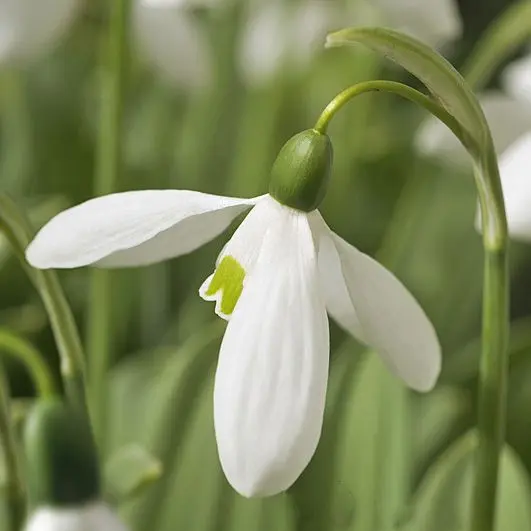
Imagine a bumblebee queen emerging from hibernation on a mild February day, searching for her first meal. Early spring flowers such as snowdrops can provide a much-needed energy boost at a time when food is still scarce. By planting these early bloomers, you can help support bees and bumblebees during this important period.
Which Flower Bulbs Are Best for Bees and Pollinators?
Not all flower bulbs are equally attractive to bees and other pollinators. The type of flower, its shape and flowering time all play an important role. Here are some of our favourite early spring flowering bulbs for bees, providing valuable nectar and pollen when food sources are still scarce.
- Snowdrops (Galanthus): Snowdrops are among the very first flowers to bloom in spring. Their delicate white, bell-shaped flowers attract early bees on mild days, providing a welcome source of nectar and pollen.
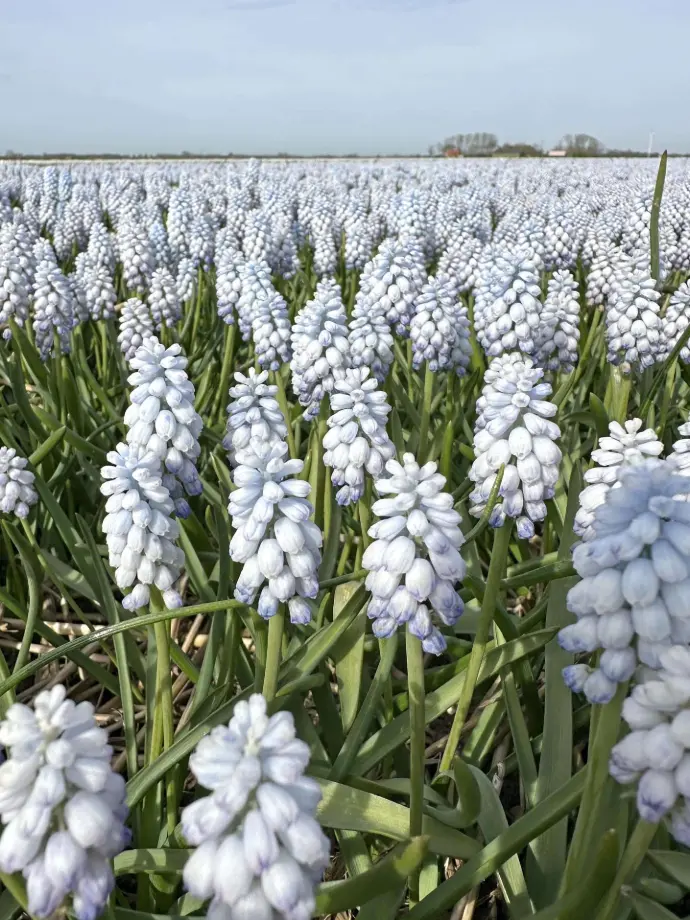
- Grape Hyacinths (Muscari): These charming little blue flowers are a favourite with bees and bumblebees. As soon as they start flowering, they attract hungry pollinators looking for nectar.
- Anemones: Spring flowering anemones are a lovely way to extend the flowering season. Their open flowers provide pollen and, depending on the variety, nectar for visiting pollinators, helping to keep your garden buzzing with life.
Our tip: Plant a variety of spring flowering bulbs with different flowering times. The more variety you include, the better your chances of providing a continuous supply of food throughout early spring.
By combining early and later flowering varieties, you can create a natural flowering calendar that supports bees and other beneficial insects from February right through to May.
When and How to Plant Spring Flower Bulbs
The best time to plant spring flowering bulbs is in autumn, from September to around mid-December, depending on the variety and weather conditions. This gives the bulbs plenty of time to develop strong roots before winter arrives, ensuring healthy growth and beautiful flowers in spring.
As a general rule, plant flower bulbs at a depth of approximately two to three times their height, with the pointed end facing upwards. Choose a spot with well-drained soil to prevent waterlogging and give your bulbs the best possible start.
Combine Spring Bulbs for a Longer Flowering Season
By combining spring flowering bulbs with different flowering times, you can create a beautiful succession of blooms throughout spring.
Imagine a flower border that starts with delicate snowdrops in February, followed by colourful crocuses and grape hyacinths (Muscari) in March. Then, in April, tulips bring even more colour to your garden.
This clever combination not only extends the flowering season but also provides a continuous supply of nectar and pollen for bees and bumblebees. And the best part? You get to enjoy a colourful, flower-filled garden for months!
Our tip: Choose a mix of early, mid and late spring flowering bulbs to keep your garden blooming and buzzing with life for as long as possible.
Shop Bee-Friendly Flower Bulbs at FAM Flower Farm
Early flowering bulbs play an important role in supporting biodiversity by providing valuable nectar and pollen for bees and other pollinators when food is still scarce.
Ready to make your garden more bee-friendly? At FAM Flower Farm, you can order beautiful, sustainably grown flower bulbs directly from our family flower farm in the Netherlands.
Explore our colourful collection of bee-friendly flower bulbs and flower seeds and discover the perfect varieties for your garden, patio or balcony.
Together, we can create more colourful gardens full of flowers, bees and butterflies!

 and then Add to Home Screen.