Naturalising bulbs are flower bulbs that come back year after year and gradually spread throughout your garden, without needing to be replanted or lifted from the ground. They multiply naturally by producing new bulbs underground or by self-seeding, creating an increasingly beautiful display of spring flowers.
How Do Flower Bulbs Naturalise and Spread?
Naturalising flower bulbs spread in two different ways:
- Producing offsets (baby bulbs): Underground, the parent bulb produces small new bulbs, known as offsets. These gradually grow larger and, after a few years, start producing flowers of their own.
- Self-seeding: After flowering, some bulbs produce seeds that fall onto the soil. These seeds can develop into new plants, sometimes popping up in places where you haven't planted anything!
Both processes take a little patience. It often takes two to three years, or even longer, before you'll notice additional flowers appearing. But as the years go by, your display of spring flowers can become bigger and more beautiful!
Why Choose Naturalising Bulbs for Your Garden?
The biggest advantage of naturalising flower bulbs is that you only need to plant them once. With the right growing conditions, they'll return every spring without you having to buy and plant new bulbs each autumn.
Not only does this save you time and effort, but it also allows the flowers to gradually spread across larger areas of your garden. Over the years, you can create a beautiful, natural-looking carpet of spring flowers with very little maintenance.
And there's even more good news! By choosing nectar- and pollen-rich spring bulbs, you'll also help support bees and other pollinators. The more flowers you have blooming throughout spring, the more valuable food sources you'll provide when they're needed most.
Which Flower Bulbs Are Best for Naturalising?
Not all flower bulbs are suitable for naturalising. Crocuses, snowdrops, grape hyacinths (Muscari) and narcissus are among the best naturalising bulbs. With the right growing conditions, these spring flowering bulbs return year after year and gradually spread throughout your garden, creating an increasingly beautiful display of flowers.
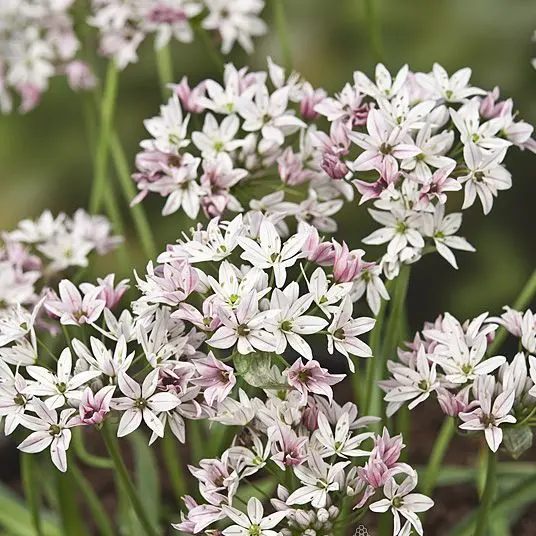
Certain allium varieties are also excellent for naturalising. One of our favourites is Allium Cameleon. This beautiful ornamental allium can spread naturally through self-seeding, producing more flowers over time with very little effort.
By choosing the right naturalising bulbs, you can create a colourful, low-maintenance spring garden that becomes more beautiful with every passing year!
Our Favourite Naturalising Bulbs
Besides narcissus and alliums, you'll find plenty of other beautiful naturalising flower bulbs in our collection. These varieties can return year after year and gradually spread throughout your garden, creating an even more colourful spring display.
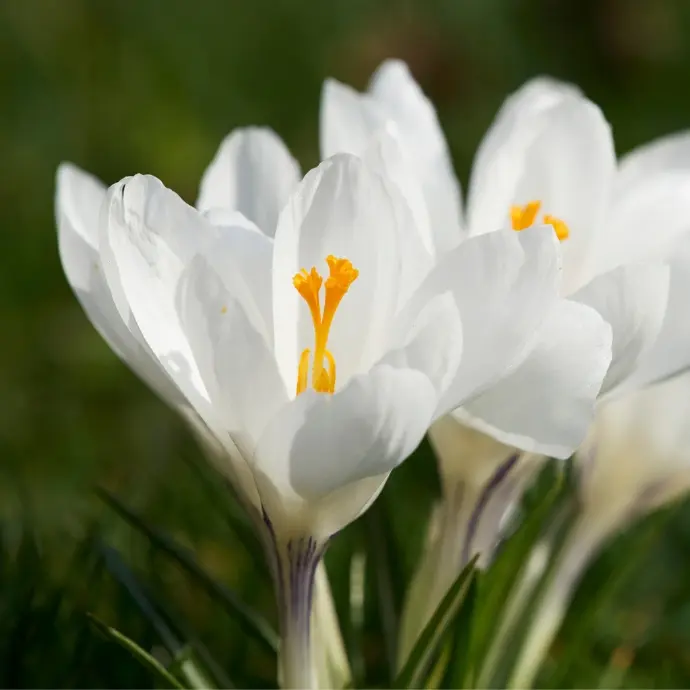
- Crocus Ice Queen: One of the earliest spring flowering bulbs, bringing a welcome splash of colour to your garden. With the right conditions, it can gradually multiply and spread over the years.
- Muscari Azureum: This charming grape hyacinth will delight you with its vibrant blue flowers and beautiful spring display. A lovely choice for naturalising in borders.
- Snowdrop Mount Everest: Among the first flowers to appear each year. These beautiful snowdrops can gradually multiply through offsets and self-seeding, creating lovely drifts of white flowers.
- Fritillaria meleagris: Also known as the snake's head fritillary, this extraordinary spring flower can slowly naturalise in borders or beneath deciduous trees. It thrives in moisture-retentive soil.
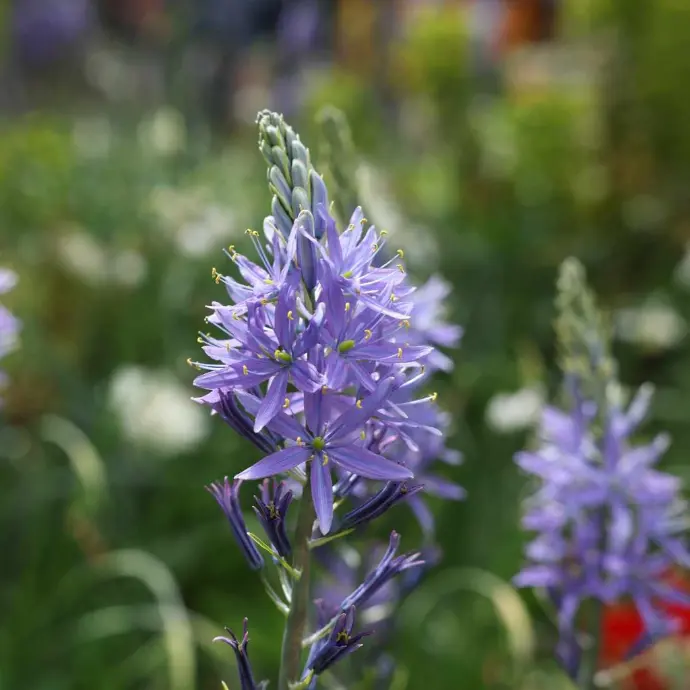
- Camassia caerulea: A taller naturalising bulb that looks stunning planted among grasses or in flower borders. Over time, it can form beautiful groups of elegant blue flowers.
- Iris Katharine Hodgkin: A truly special dwarf iris with delicate, beautifully patterned flowers. In a sunny spot with well-drained soil, it can gradually multiply, giving you more gorgeous blooms to enjoy each spring.
Are Tulips Good for Naturalising?
Most tulip varieties are not particularly suitable for naturalising. They usually produce their most spectacular flowers in the first year, but in the following years, the blooms may become smaller or stop appearing altogether. If you want to enjoy the same beautiful, full tulip display every spring, it's best to plant fresh tulip bulbs each autumn rather than relying on them to naturalise.
However, some botanical tulips, also known as species tulips, are excellent for naturalising and can return year after year in the right growing conditions.
It's also worth knowing that perennial bulbs and naturalising bulbs are not quite the same thing. Perennial bulbs come back year after year, but they don't necessarily spread. Naturalising bulbs, on the other hand, gradually multiply through offsets or self-seeding, producing more flowers over time.
Ranunculus and many anemone varieties are sensitive to severe frost and waterlogged soil during winter. In colder areas, it's often better to lift and store their corms in a frost-free place or plant fresh ones each year, rather than leaving them in the ground to naturalise.
Where and How to Plant Naturalising Bulbs
Choose a spot where your naturalising flower bulbs can grow undisturbed for several years. Flower borders, lawns and areas beneath trees and shrubs are all great places to plant them. Just make sure you choose a location that suits the growing conditions of each variety.
The best time to plant most naturalising bulbs is in autumn, before the ground freezes. This gives the bulbs plenty of time to develop strong roots before winter arrives. For example, we recommend planting our allium bulbs between September and November.
Naturalising bulbs can also grow beautifully in pots and containers, but they have less room to spread than they would in the garden. When planted directly in the ground, the bulbs and their offsets have more space to multiply, gradually creating larger drifts of colourful spring flowers.
How to Care for Naturalising Bulbs After Flowering
To help your naturalising bulbs come back year after year, it's important to give them the right care after flowering.
Once the flowers have faded, leave the foliage in place until it naturally turns yellow and dies back. While the leaves are still green, they absorb sunlight and produce energy through photosynthesis. This energy is stored in the bulb, helping it produce new flowers and offsets for the following spring.
Cutting back the leaves too early can weaken the bulbs, resulting in fewer flowers the following year and slowing down their natural spread.
Our tip: If you've planted naturalising bulbs in your lawn, wait until the foliage has completely yellowed before mowing the grass. This gives the bulbs enough time to store energy for another beautiful spring display.
Plant Once, Enjoy Beautiful Flowers for Years to Come
Naturalising flower bulbs require just one thing: a little patience! During the first two to three years, they may not spread very much. But over time, you'll notice more and more flowers appearing, creating an increasingly beautiful spring display in your garden.
Whether you choose alliums, crocuses, grape hyacinths (Muscari), snowdrops, snake's head fritillaries (Fritillaria), camassias or certain dwarf iris varieties, the right bulbs in the right location can bring you years of colourful blooms.
Simply plant them once and leave the foliage to die back naturally after flowering. With the right growing conditions, nature will take care of the rest!
Plant once, enjoy a colourful spring garden year after year!

 and then Add to Home Screen.