If you want to enjoy beautiful flowers early in spring, starting ranunculus and anemone corms indoors is a great way to get a head start on the growing season.
These gorgeous spring favourites are rewarding to grow and surprisingly easy to care for. With just a little preparation, you can give them the perfect head start, allowing them to develop into strong, healthy plants that will reward you with stunning flowers in your garden or on your patio.
Why Start Ranunculus and Anemone Corms Indoors?
Ranunculus and anemones can take a little time to start growing, especially when the soil outdoors is still cold. It may take several weeks before you see the first green shoots appear.
By starting ranunculus and anemone corms indoors, you can give them a head start on the growing season without having to wait for the soil outside to warm up.
This allows the plants to develop strong roots and healthy leaves before being planted outdoors. With the right growing conditions, you'll be rewarded with earlier blooms and potentially a longer, more abundant flowering season.
Our tip: Ranunculus and anemones prefer cool growing conditions rather than warmth. A bright, frost-free spot with temperatures around 10–15°C is ideal for starting them indoors.
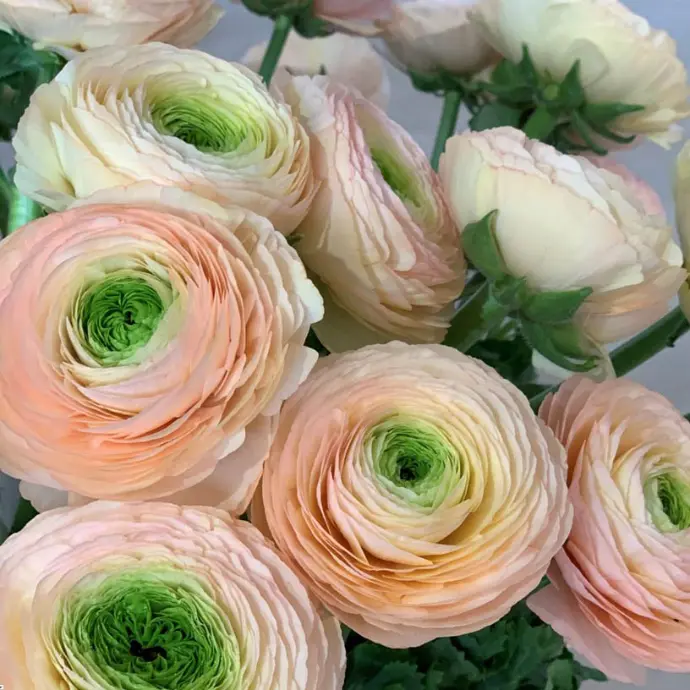
When Should You Start Ranunculus and Anemone Corms Indoors?
The best time to start ranunculus and anemone corms indoors is between February and early March. At this time of year, the soil outside is often still too cold, but a bright, cool and frost-free spot indoors provides the ideal conditions for your corms to develop healthy roots and their first green leaves.
This gives your plants a valuable head start on the growing season. Once they're well established and the risk of severe frost has passed, you can gradually acclimatise them to outdoor conditions before planting them in your garden or containers.
With a little planning, you'll be enjoying beautiful spring flowers before you know it!
Soak Ranunculus and Anemone Corms Before Planting
Unlike tulips or narcissus, ranunculus and anemones don't grow from traditional flower bulbs. Instead, they grow from corms.
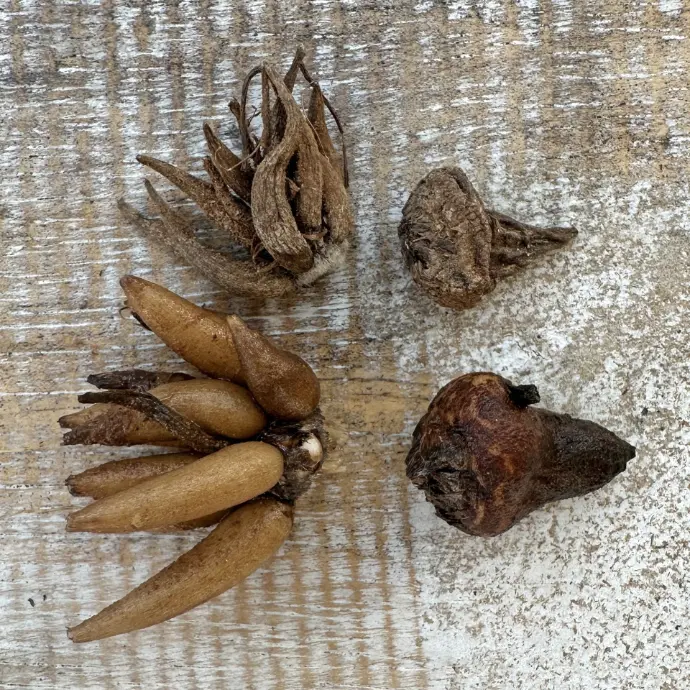
Ranunculus corms look like tiny dried spiders, with little claw-like roots, while anemone corms resemble small, hard, irregularly shaped lumps.
Although they look completely different, they have one thing in common: both benefit from soaking before planting!
Soak your ranunculus and anemone corms in room-temperature water for 3–4 hours before planting. This allows them to absorb moisture and plump up, helping them get off to a good start.
After soaking, gently drain the corms and place them briefly on a sheet of kitchen paper to remove any excess water. Then they're ready to plant!
In the photo: At the top, you can see a dry ranunculus corm and, on the right, a dry anemone corm. Below, you can see how they look after soaking up water.
How to Start Ranunculus and Anemone Corms Indoors
If you want to start ranunculus and anemone corms indoors, the easiest way is to plant them in pots. Choose a pot with drainage holes and fill it with loose, well-draining, slightly moist compost. Plant the corms approximately 3 cm deep. When planting ranunculus corms, make sure the little claw-like roots are pointing downwards. With anemone corms, the planting direction is less important, as they have an irregular shape. Want to plant several corms together in one pot? We recommend 3 to 4 corms in a pot measuring 30–40 cm in diameter. This gives the plants enough room to develop healthy roots and produce beautiful flowers.
Our tip: Place your pots in a bright, cool, frost-free spot. Keep the compost slightly moist, but avoid overwatering to prevent the corms from rotting.
The Best Place to Start Ranunculus and Anemones Indoors
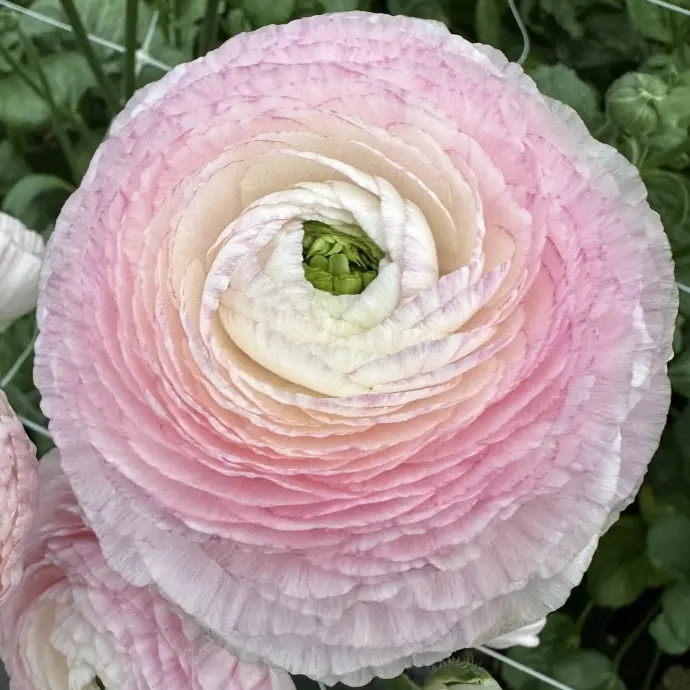
Once you've planted your corms, it's important to find the right spot for them. Ranunculus and anemones love light, but they don't like too much warmth!
A bright, cool, frost-free room with temperatures between 10 and 15°C is ideal.
A bright hallway, a frost-free shed with natural daylight or an unheated spare bedroom can all work well. Just make sure your plants receive plenty of light and aren't exposed to direct heat.
Our tip: Never place your pots next to a warm radiator. High temperatures can affect healthy growth and cause weak, leggy shoots.
Watering Ranunculus and Anemones: Less Is More!
Ranunculus and anemones don't need much water when you're starting them indoors. The key is to keep the compost lightly moist, but never waterlogged.
During the first few weeks, the corms mainly need time to develop roots and only a little water. Too much moisture can cause the corms to rot, so it's important not to overwater.
Our tip: Allow the top layer of compost to dry out slightly before watering again. This helps your ranunculus and anemones develop healthy roots and grow into strong plants.
When Can Ranunculus and Anemones Go Outside?
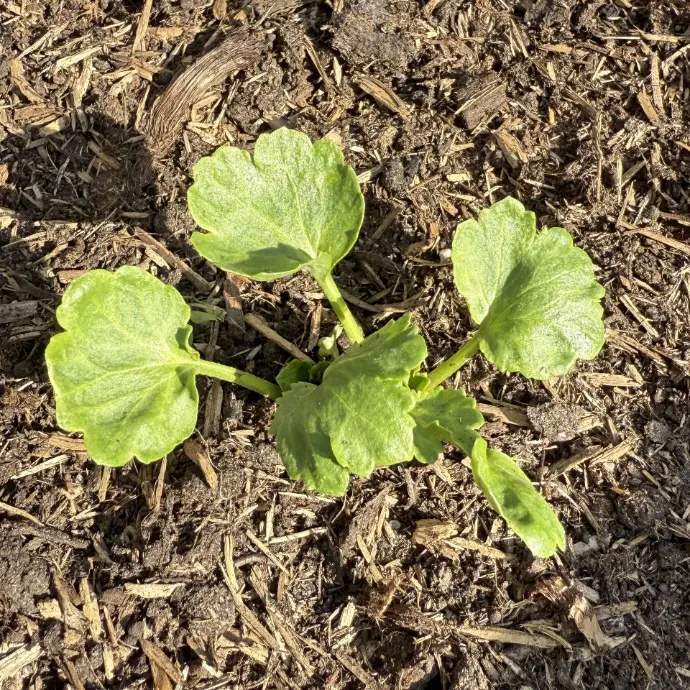
Once your ranunculus and anemone plants have developed healthy leaves and the risk of severe overnight frost has passed, you can gradually introduce them to outdoor conditions.
Start by placing your pots outside in a sheltered spot for a few hours each day. Gradually increase the time they spend outdoors over approximately a week. This process, known as hardening off, helps young plants adjust to sunlight, wind and cooler temperatures.
Once they're used to outdoor conditions, you can carefully transplant them into your garden borders or larger pots and containers.
Our tip: Keep an eye on the weather forecast! If frost is expected, protect your young plants with horticultural fleece or temporarily move the pots back to a frost-free place.
A Spring Full of Beautiful Flowers
With a little luck, the first flowers may appear as early as April, depending on when you started your corms and the weather conditions.
Ranunculus are known for their gorgeous, densely layered blooms with delicate petals. They make wonderful cut flowers, perfect for creating your own beautiful bouquets. By cutting flowers regularly and removing faded blooms, you encourage the plants to keep producing new flower buds.
Anemones are equally stunning, with their vibrant colours and elegant flowers. By regularly removing spent blooms (deadheading), you can encourage a longer flowering season and enjoy even more beautiful flowers.
Ready to Grow Your Own Ranunculus and Anemones?
Would you love to grow your own ranunculus and anemones this spring?
At FAM Flower Farm, you'll discover a beautiful collection of Italian ranunculus and anemone corms in the most gorgeous colours.
Get a head start on spring and look forward to a garden or patio bursting with beautiful flowers!
Grow your own happiness with FAM Flower Farm!

 and then Add to Home Screen.