Replanting and Care:
In October, replant the bulb in a pot filled with nutrient-rich potting soil. Make sure the top of the bulb sticks out above the soil. Place the pot indoors, ideally in your living room. With a little patience and care, your Amaryllis should begin to bloom again.
During the growth period, water the plant regularly and make sure it’s in a bright location to encourage blooming. Keep in mind that it can take some time for the Amaryllis to flower again. The process may vary depending on the conditions and the variety you have.
By following these simple steps, you can enjoy the beauty of your Amaryllis year after year.
Do you have questions or want more tips for caring for flower bulbs? Visit our website for inspiration and a wide range of flower bulbs, including Amaryllis Appleblossom.
Extra tips for successful reblooming:
Light: Amaryllis bulbs need plenty of light. Place the pot somewhere it gets at least 6 hours of indirect sunlight each day.
Temperature: Keep your plant at room temperature, ideally between 18–24°C, to support healthy growth.
Water: Don’t overwater. Too much water can cause root rot. Keep the soil slightly moist but never soggy.
Feeding: Use a balanced liquid fertiliser every two to three weeks during the active growing season.
Let them bloom again!
Reusing your Amaryllis bulb is a rewarding process that simply needs some care and attention. With these steps, your Amaryllis can bloom beautifully year after year.
After flowering:
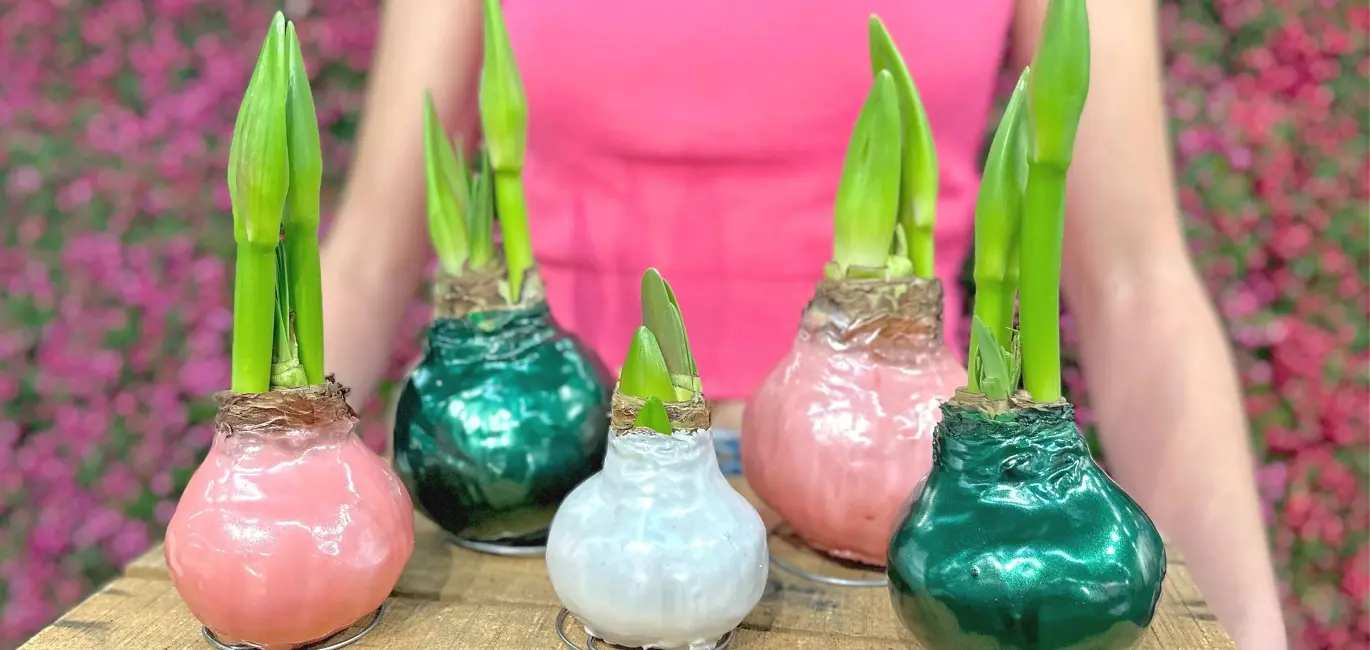
- If you had a waxed Amaryllis, gently peel off the wax once the bloom has faded and free the roots.
- Remove the faded flowers, but leave the stems and leaves on the plant. The leaves help with photosynthesis, storing energy in the bulb for the next season.
- Once the stems turn brown and dry, you can carefully remove them.
Summer rest period:
In May or June, stop watering the plant and let the leaves die back naturally.
At the end of July or in August, remove the bulb from the pot and store it in a cool, dark place – like a cellar or cupboard – for 8 to 10 weeks.
This rest period is essential for the development of new flower buds.

 and then Add to Home Screen.