How to sow flower seeds
Flower seeds are perfect for brightening up your garden and they’re just as lovely for picking and bringing indoors! Not sure where to begin? We’re happy to help you start your own colourful cutting garden.
The location
Choose a sunny spot that gets at least 6 hours of direct sunlight per day and is sheltered from strong winds.
Timing
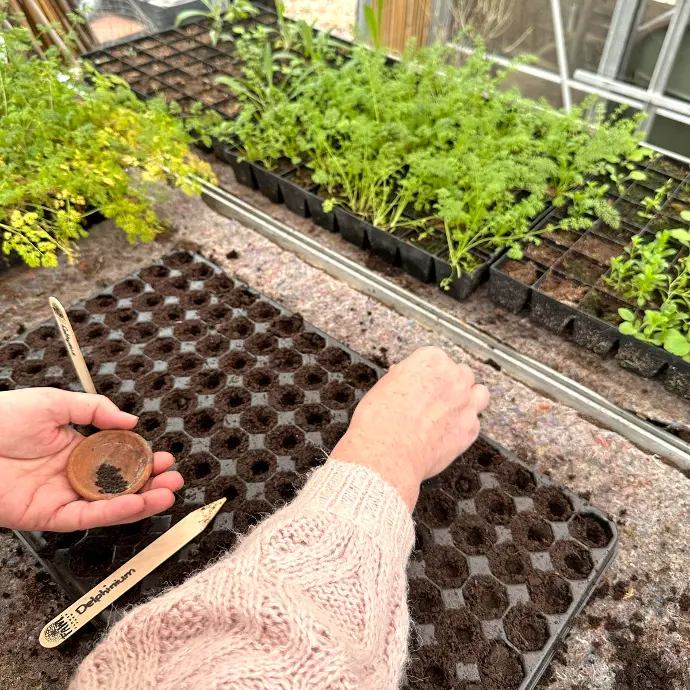
Pick a dry or lightly rainy day to sow. Avoid sowing during heavy rain or very warm days – seeds might get washed away or dry out too quickly. Wait until the risk of night frost has passed, usually around mid-May. Some seeds can germinate at 12–15°C, but most prefer 17–20°C. Certain varieties are winter-hardy and can be sown earlier – check the packet or our website for details. If it’s still too chilly in early spring, wait a bit longer to sow outdoors. To get a head start, you can sow indoors in trays or a greenhouse: this will give you earlier blooms.
Preparing the soil
Hoe the top layer of soil so it’s loose, weed-free and free of stones or clumps. You can use string to mark the sowing lines. Make shallow grooves (about 0.5 cm deep) using a stick or the handle of your rake. Leave about 25 cm between the rows so you have space to walk and weed. Sowing in rows also helps you spot the seedlings more easily later. You’ll know what’s a flower and what’s a weed!
Feeding the soil
If your garden soil could use a boost, add compost or fertiliser during winter or early spring (before April). This gives worms, rain and birds time to mix it in.
Never fertilise right before planting – it may be too strong for the seedlings.
Our organic lava meal and fertiliser can be safely added at planting. Lava meal is 100% natural and packed with minerals that improve soil health and strengthen plants.
Sowing
If your seeds are large enough, place them one by one in the grooves, about 1–2 cm deep, ideally on their side.
If they’re small, empty the packet into a bowl or seed dispenser first. Then take a pinch between your fingers and sprinkle them thinly along the groove.This helps avoid overcrowding and saves time later when thinning out. Tiny seeds can be mixed with dry sand for even distribution.
Covering the seeds
Golden rule: The size of the seed = the amount of soil or sand to cover it – so just a thin layer! Don’t sow too deep: seeds need warmth from the sun to germinate.
Use a fine sieve to add a light layer of sand, then press the soil gently.
Labelling
Write the name and sowing date on a plant label and place it at the start of your row so you know what’s where.
Caring for your seedlings
Weeding
Keep weeds under control by hand or with a small hoe. Hoe on dry days because weeds will wither and die more quickly.
Don’t let weeds take over because they can smother your flowers and go to seed themselves. Regular weeding in spring will save you lots of work in summer.
Watering
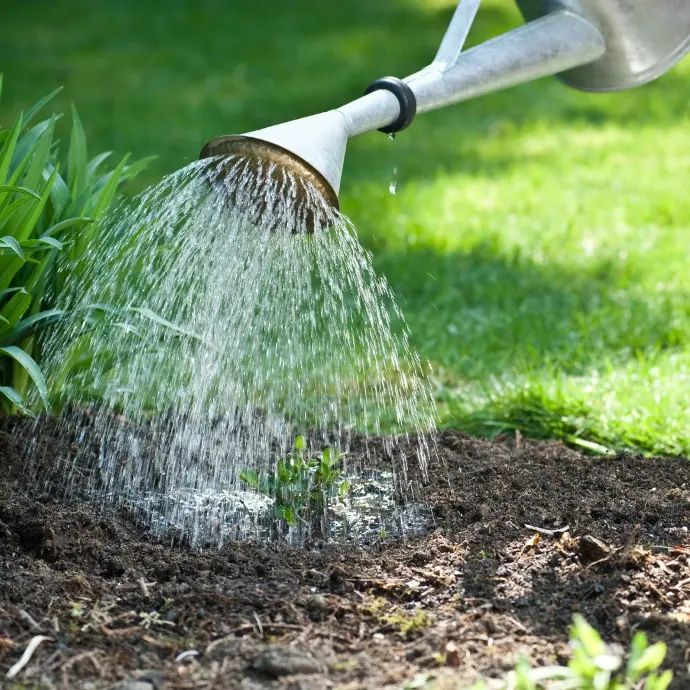
Young seedlings need lightly moist soil to germinate and grow. Check often and water when needed. Once plants are larger and deeper-rooted, they’ll cope better with dry spells. Water early in the morning or evening to prevent leaf burn and allow the water to soak in. Always water at the base of the plant, not the leaves.
It’s better to water deeply once or twice a week than a little every day. This encourages roots to grow downwards, making your plants stronger and more drought-resistant.
Use a watering can or hose with a spray head to avoid washing away the soil or disturbing young plants.
Thinning
As your seeds grow into seedlings, you’ll need to thin them out to give each plant enough space. It might feel wasteful, but it’s necessary!
Gently pull out the extra plants by the leaves (not the stem) and replant them elsewhere – or give them away. Firm the soil again and water gently.
Support
Some plants grow tall and benefit from a little support. Set up a mesh support system with poles and garden netting before sowing – your plants will grow up through it.
If you add supports later, carefully place bamboo stakes between the plants.
Harvesting
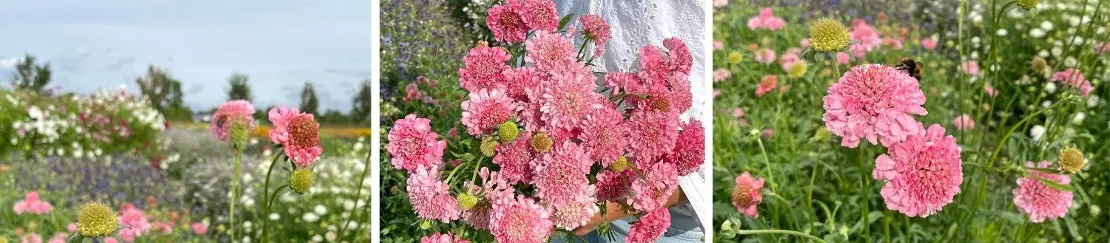
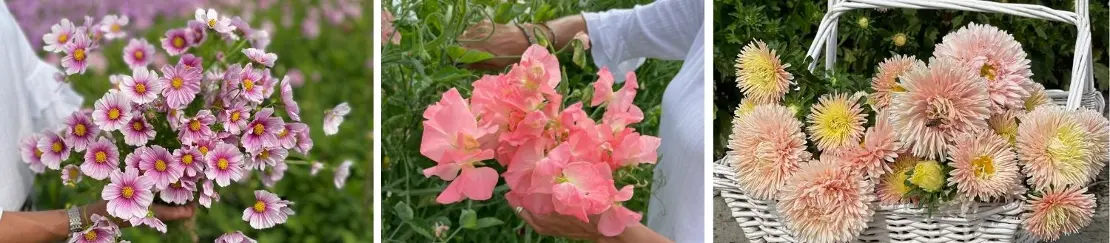
This is what it’s all for: time to pick your flowers! Don’t be shy – the more you pick, the more they’ll grow. Regular picking encourages new growth, new buds and more blooms. And isn’t it wonderful to cut an extra bouquet to gift?
Use a clean, sharp knife or garden snips. Pick in the morning or evening, when it’s cooler. Bring a bucket of fresh water and place the flowers in it straight after cutting.
Remove the lower leaves that will sit in water, then drop them back onto the soil as mulch to feed your garden.
Top sowing tips:
- Sow 2–3 times with 2-week intervals for a longer harvest season.
- Think ahead: seeds are small now, but your plants will need room to grow tall and wide. Thin them out if needed.
- Want earlier blooms? Pre-sow indoors – it also helps you protect seedlings from pests like slugs and mice.
-
In milder areas, you can start earlier. In colder climates, wait until the soil warms up.
Sandy soil warms quickly, while clay holds cold longer: timing depends on your location and soil type.

 and then Add to Home Screen.