A natural weapon in the garden
Slugs can be a real nuisance in the garden, especially for beloved flowers like dahlias or your vegetable patch. Fortunately, there are natural ways to control them without using poison or chemicals. A surprisingly effective method is the use of nematodes—microscopic worms that naturally kill slugs. What many people don’t know is that you can actually cultivate these nematodes yourself from dead slugs.
What are nematodes and how do they work?
Nematodes are tiny microscopic worms that live in the soil. One specific species, Phasmarhabditis hermaphrodita, parasitizes slugs by entering their bodies and multiplying inside them. Within a few days, the slug dies, and the new nematodes spread through the soil in search of new hosts.
This method has been used commercially for many years and is available as a form of biological control. But did you know you can also breed nematodes yourself?
Curious how it works? In this blog, we’ll explain step by step how to cultivate and apply nematodes in your own garden.
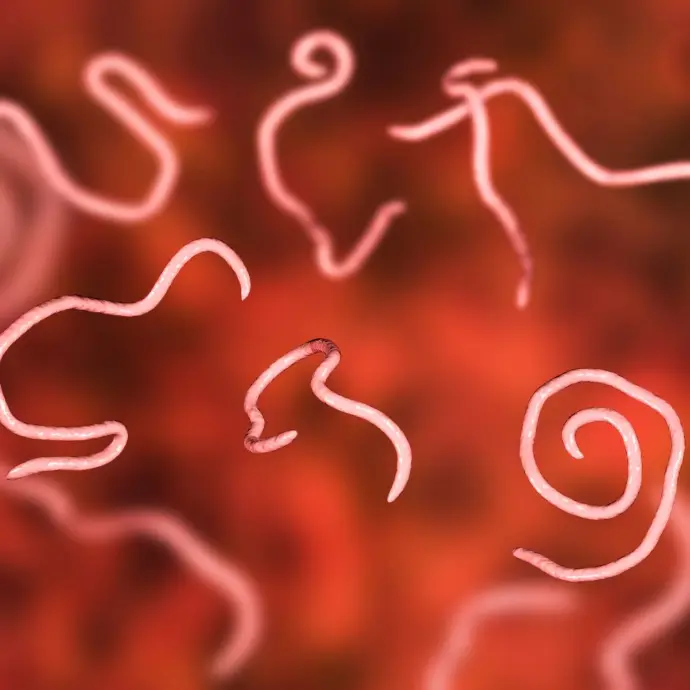
An enlarged view of nematodes, also known as roundworms.
Breeding nematodes from dead slugs
Looking for a sustainable and cost-free way to control slugs in your garden? Follow these steps to cultivate your own nematodes:
Step 1: Collect slugs
Catch a few slugs in your garden. This can be done easily using a trap (such as an upside-down dish with slug bait, like beer or moist cat food).
Step 2: Create a breeding environment
Place the slugs in a sealed container with moist soil or moss. Make sure the lid has small air holes. Slugs thrive in damp environments, so slightly moist conditions are essential.
Step 3: Let the slugs die
Within a few days, the slugs will die naturally. If nematodes were already present in the soil, they will now begin to multiply inside the dead slug bodies.
Step 4: Prepare a nematode solution
After about a week, the dead slugs will have become breeding grounds for nematodes. Mix the contents of the container (including soil and dead slugs) with water. Stir thoroughly and let it sit for a few hours.
Step 5: Distribute the nematodes in your garden
Pour the mixture around areas where you have slug problems, especially near the base of vulnerable plants like dahlias, annual flowers, and vegetables. Do this preferably on a damp evening or just after rain, so the nematodes can penetrate the soil.
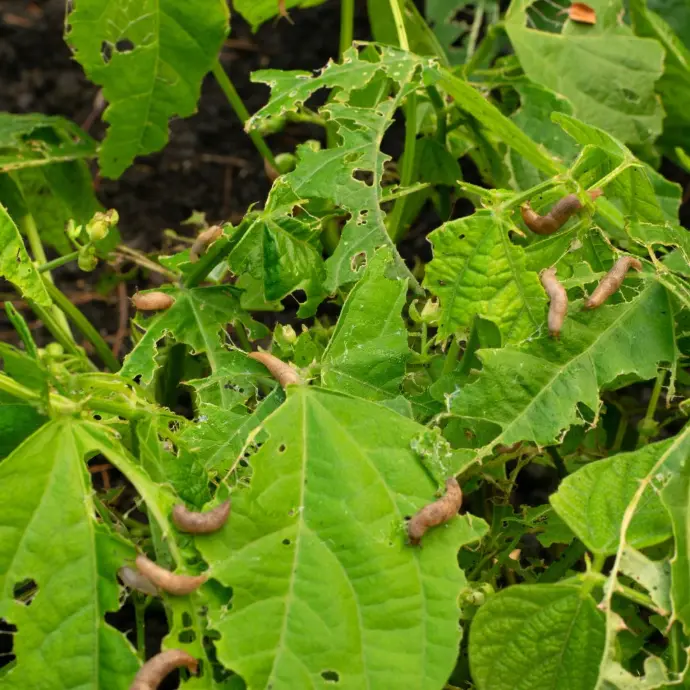
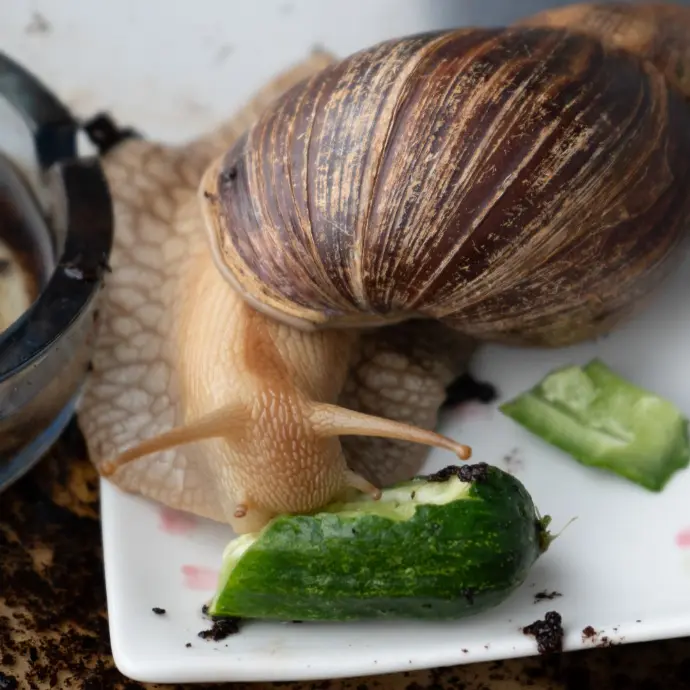
Slugs love cucumber or melon peels.
Sometimes there are just too many of them, and they leave nothing untouched in your flower or vegetable garden.
Important points to consider
- Effectiveness: This method only works if Phasmarhabditis hermaphrodita nematodes are already present in your garden. If you want to ensure success, you can also purchase commercial nematodes.
- Hygiene: Use gloves when handling dead slugs and wash your hands thoroughly afterward.
- Weather conditions: Nematodes are most effective at temperatures between 10 and 25°C and in moist soil.
- Odour: The process can produce an unpleasant smell, so choose a suitable spot for your breeding container.
Why try this method?
✅ 100% natural – no need for poison or chemical pesticides
✅ Cost-saving – a free alternative to store-bought nematodes
✅ Sustainable – helps restore balance in the natural ecosystem
✅ Effective – can reduce the slug population in the long term
Breed them yourself or buy them?
Breeding nematodes yourself is a fascinating experiment and can work well if there’s already a natural population in your garden. Want faster results and more certainty? Then you can also buy ready-to-use nematodes, specially cultivated for quick and effective slug control.
Either way, by using nematodes, you’re protecting your flowers and plants in a way that supports a sustainable garden.
Will you give this method a try? You'll find 10 more slug-fighting tips in this blog.

 and then Add to Home Screen.