5 tips for your own cheerful butterfly and bee garden
Would you love more fluttering and buzzing in your garden? It’s easy to attract butterflies and bees with our flowers. We’ll give you 5 practical tips to help you create your own butterfly and bee garden, plus 3 extra garden tips. You can also apply these ideas in pots on your terrace or balcony.
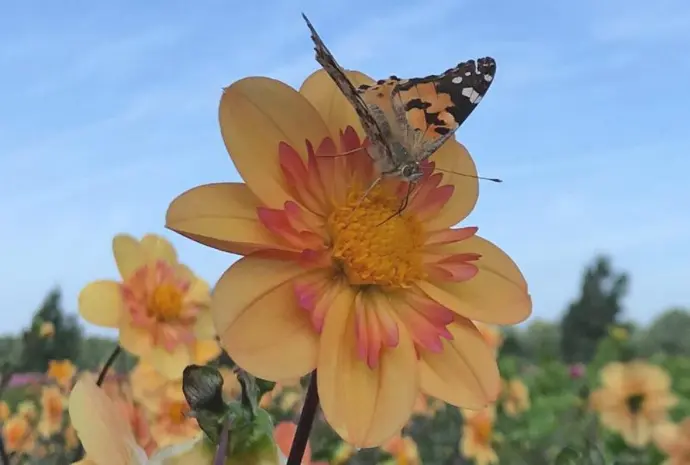
In the Netherlands, around 50 types of butterflies and more than 2000 species of moths fly around. You might think of dull brown moths, but many of them are absolutely stunning. And there are about 360 types of bees in our country. Only one of them is the honeybee. All the others are wild bees, including bumblebees.
These insects search for food in the form of nectar and pollen. When you plant flowers that offer what they need, you attract colourful butterflies and happy bees to your garden or balcony. By creating a butterfly and bee garden, you help them survive and thrive.
.
Support nature with your garden
Here’s a comforting thought. When you care for butterflies and bees, you’re also supporting the rest of nature. And in the end, yourself as well. Bees help pollinate not only garden flowers but also food crops such as apple blossom and potato flowers. So spoil them a little and increase their chances of survival. This helps keep nature in balance and supports our food supply. And flowers make people happy, so we say — plant more.
We believe in planting flowers for a better world and a more beautiful life.
What to keep in mind when creating a butterfly and bee garden — here are 5 tips:
1. Choose the right flowers
Butterflies and bees need to be able to reach the nectar and pollen. Each insect is built differently and collects food in its own way, so the shape of the flower matters.
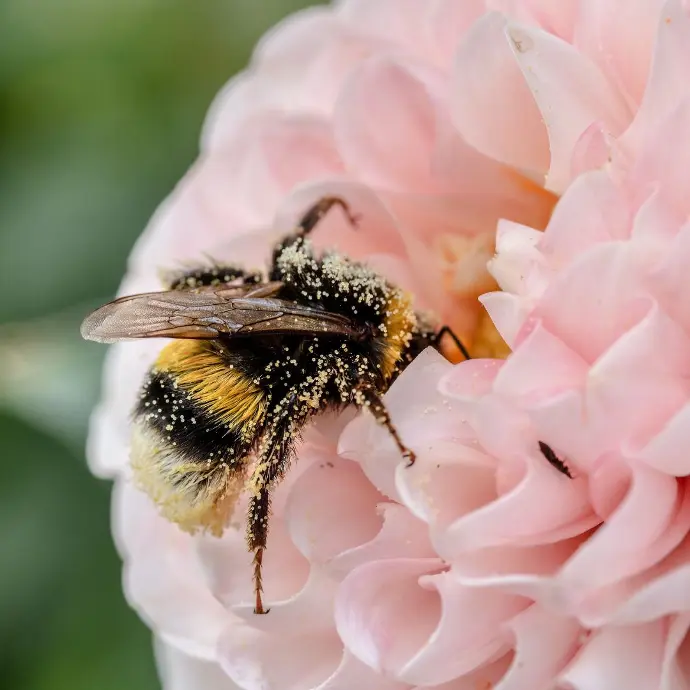
Butterflies have long, rolled tongues, which they use like a straw to drink nectar. Bumblebees, with their big fuzzy bodies, collect lots of pollen, but only if they can easily land on the flower. Some wild bees are tiny and crawl right inside.
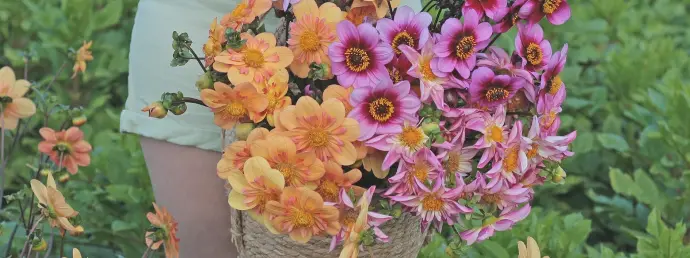
If you want to welcome lots of insects, choose dahlias with an open heart. These are single-flowered dahlias. We recommend the following varieties:
(Our dahlias are available from December through early June.)
2. Offer something sweet
Bees, bumblebees and butterflies look for nectar and pollen from February through late autumn.
Nectar is a sweet syrup full of proteins and vitamins. Butterflies live on it, and honeybees collect it to make honey. Pollen contains protein, fats and vitamins. Bees collect it mainly for their larvae. Butterflies don’t need pollen for their young, since their caterpillars eat green plants. Dahlias provide both nectar and pollen in abundance.
You can also place some ripe fruit on a small plate as an extra treat. Just be sure to place it a little away from your seating area.
4. Put the flowers in the right spot
3. Keep the garden blooming for months
Make sure something is in bloom from March through October. Combine spring bulbs with summer bulbs and add some annual flower seeds in between. Dahlias bloom from July to October. They combine beautifully with butterfly and bee favourites such as fennel, verbena, globe thistle, bergamot and sunflowers.
Choose a sunny, open space for your plants. If possible, create a route of flowers through your garden so butterflies and bees can move from bloom to bloom. It’s even more fun when your neighbours join in too.
5. Provide drinking spots
On warm days, insects also need a sip of water. That’s where pompon or ball dahlias come in handy. Water often collects in their open centres after rain or watering, giving insects an easy place to drink.
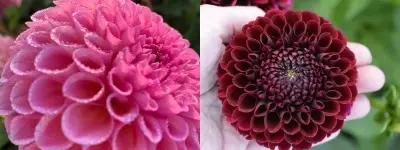
Ball dahlias provide nice drinking spots for insects!
3 extra garden tips:
GARDEN TIP 3:
Combine flowers that bloom from early spring (snowdrops, narcissus, tulips) to late autumn (dahlias, annuals) to provide nectar throughout the season.
GARDEN TIP 2:
Narcissus with an open “cup” where you can clearly see the stamens are an early spring food source for wild bees. They also attract (harmless) parasitic wasps and hoverflies. And that’s a good thing, because these same insects help control pests like the oak processionary caterpillar by feeding pieces of them to their larvae. So yes, attract them!
GARDEN TIP 1:
Help butterflies get through the winter by leaving some dead plant material in your garden. Many butterflies spend the colder months in seed heads, under fallen leaves or inside hollow stems. They overwinter in the form of eggs, caterpillars or pupae.

 and then Add to Home Screen.