Papaver Bread Seed Poppy




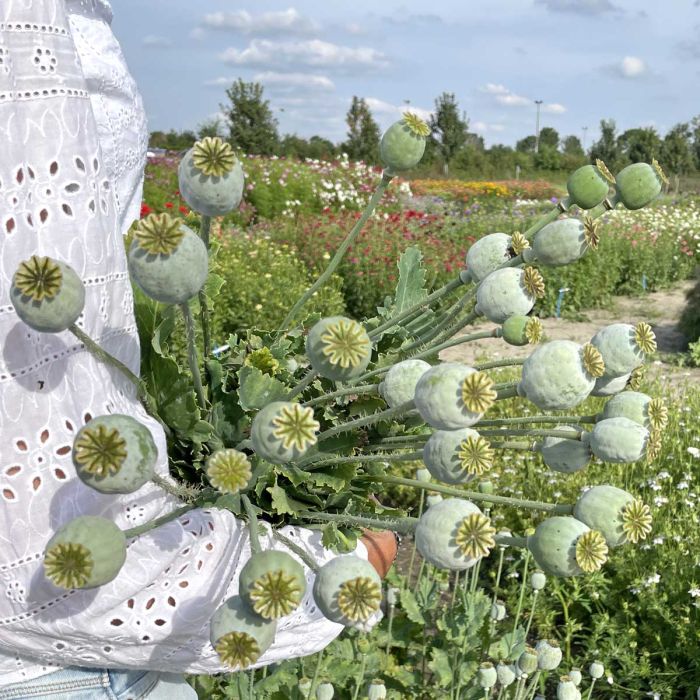
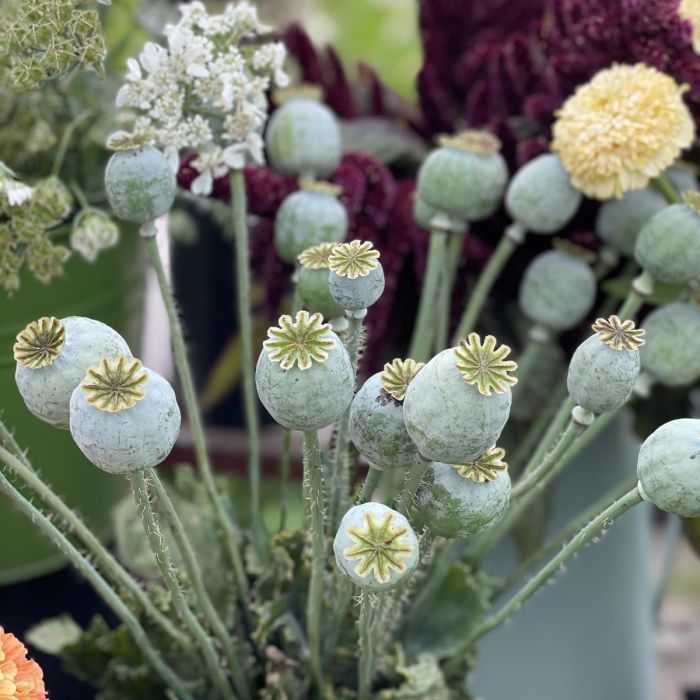
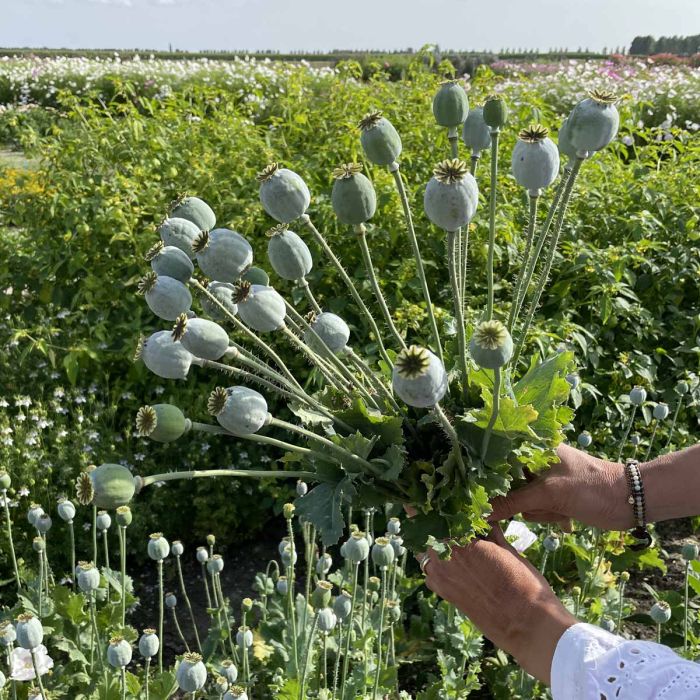
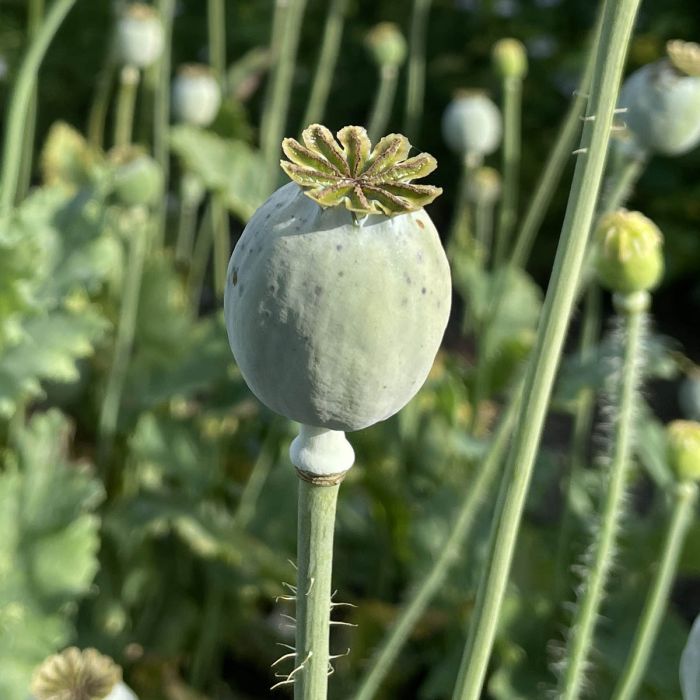
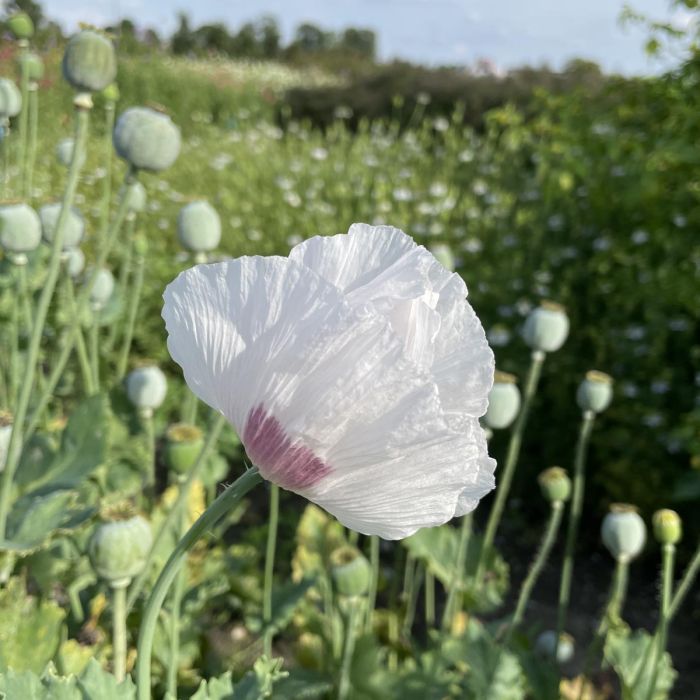
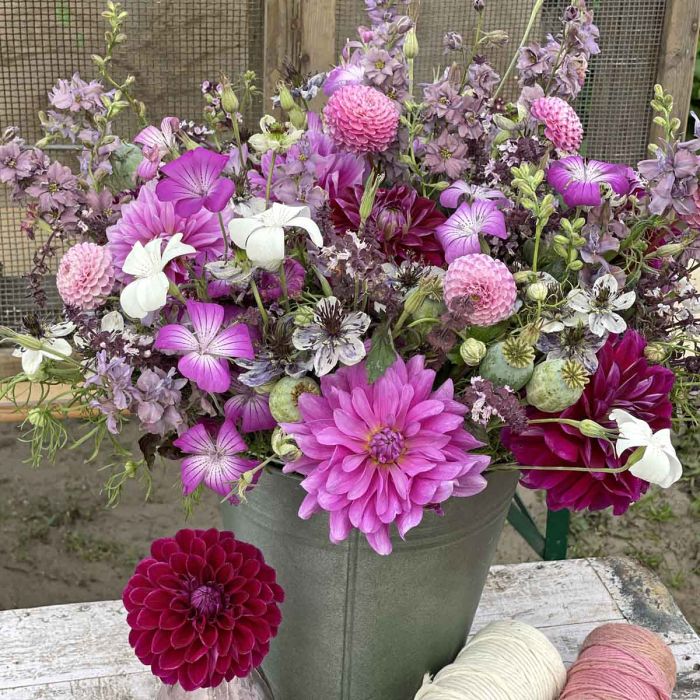
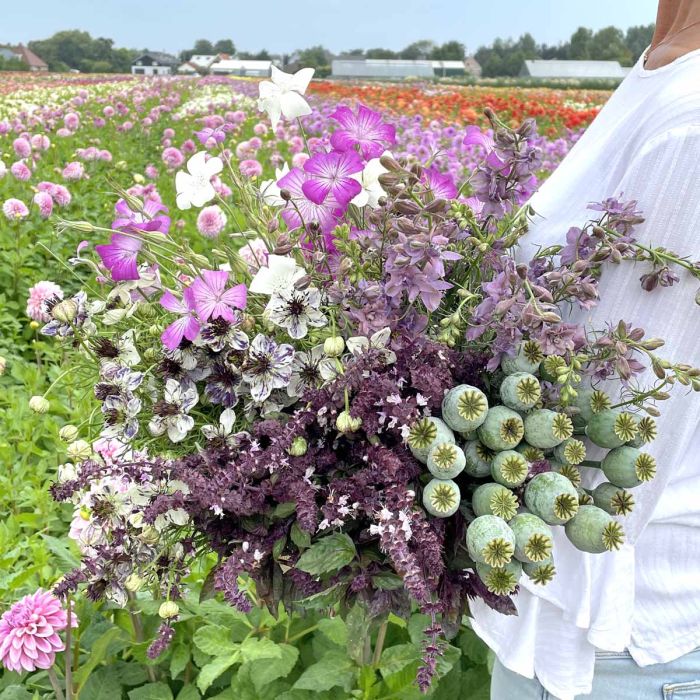
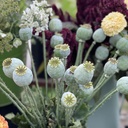
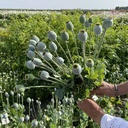
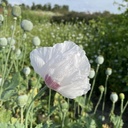
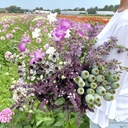
The blue-grey colour of these poppies (Papaver) is stunning!
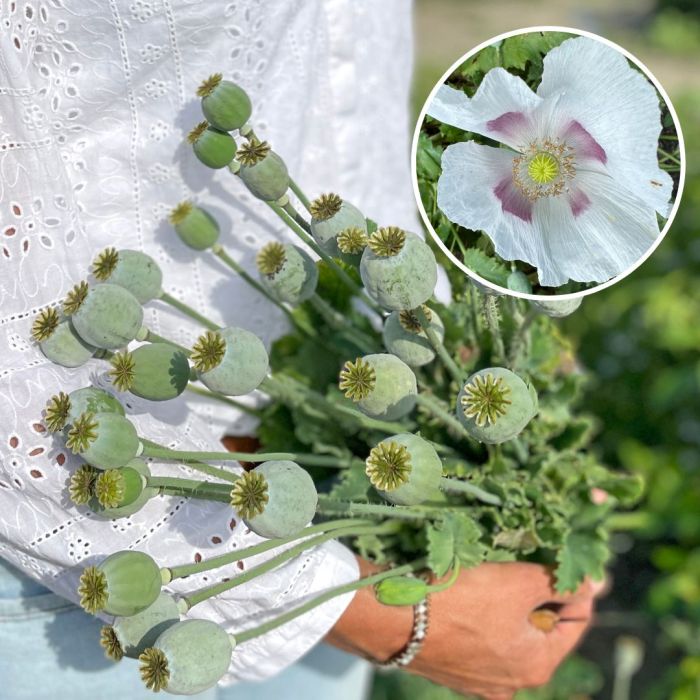
Papaver Somniferum Bread is well known for the poppy seeds on our bread rolls.
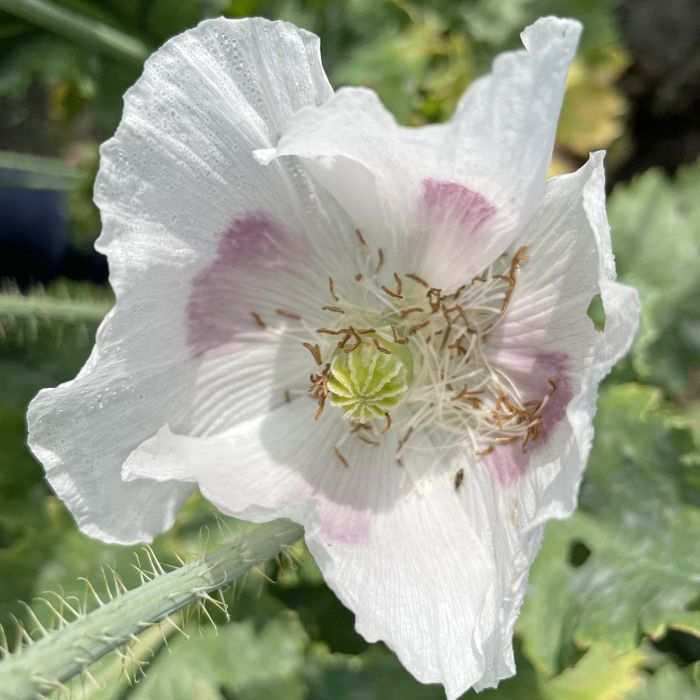
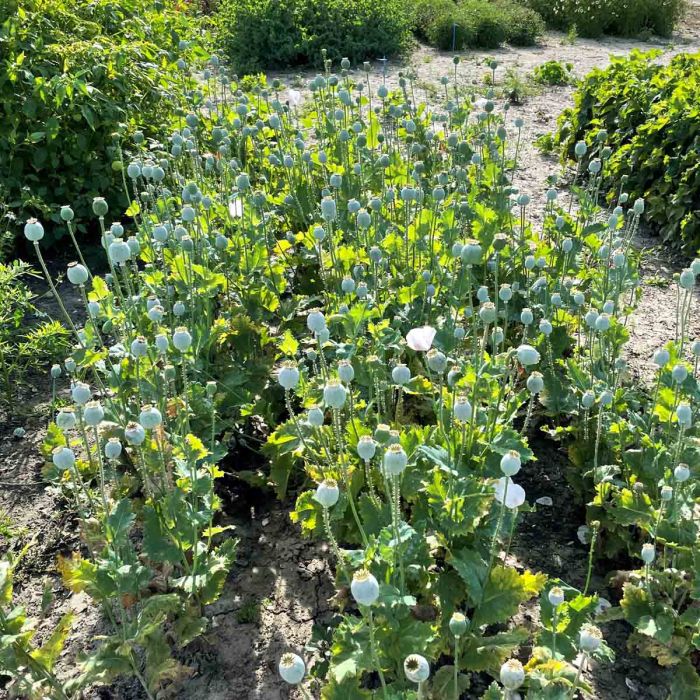
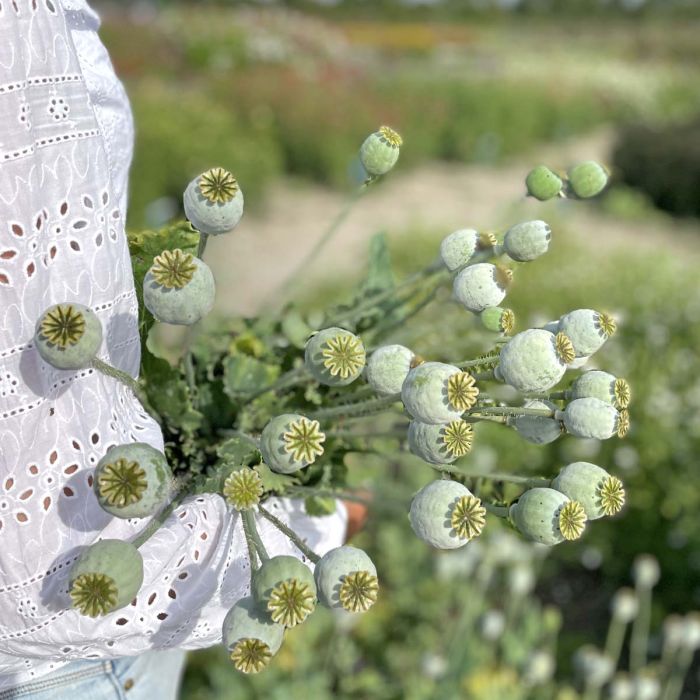
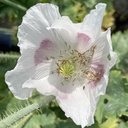
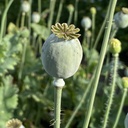
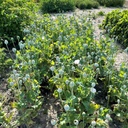
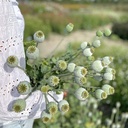
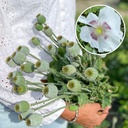
The white-pink flowers are beautiful but not very long-lasting in a vase. After flowering, attractive seed pods form that remain for many months—that’s what it’s all about. Papaver is very easy to grow and makes a wonderful addition to any flower garden.
The seed pods are used to produce a sleeping aid, which is why this annual summer bloomer is also called “opium poppy” (sleep bulb) in Dutch.
The flowers produce no nectar but are still popular with bees and bumblebees, who are attracted to the pollen released from the stamens.
1 bag ≈ 0.2 grams ≈ 200 seeds
Specifications
| Suitable as a cut flower | Yes |
| Suitable as dried flower | Yes |
| Height Plant | 90 cm |
| Planting time | April-June |
| Flowering time | May-August |
| Planting site | full sun |
| Type of product | Flower seeds |
| Plant depth seeds | 0 cm |
| Germination time | 2-3 weeks |
| Growing time to bloom | 11-14 weeks |
Tips
When to sow Papaver
You can sow Papaver seeds directly outdoors from March–April (early spring) or in autumn (September–October) for natural stratification and early blooming the following season. Sow the seeds directly at the spot where you want them to grow, as poppy seedlings are delicate and difficult to transplant. Sow the seeds on the surface and press them gently without covering, as they need light to germinate. Keep a distance of 20–30 cm between plants for good air circulation. Do not sow too densely and thin out seedlings as soon as they are large enough to prevent overcrowding. Water only during dry spells, especially during germination. Once established, poppies are drought tolerant. Fertilizing is not necessary – they grow best in poor to moderately fertile soil. Too much fertilizer can result in excessive foliage and fewer flowers.
Harvest and aftercare
Cut the flowers just as they begin to open for the best vase life. Allow some flowers to go to seed to enjoy the decorative seed pods, which are excellent for dried flower arrangements. Poppies readily self-seed, so leave the seed pods on the plant for natural reseeding the following season.
Extra tip
Because poppies are cold germinators, a short cold period promotes germination. Sow them in autumn or store the seeds in the fridge for a few weeks before sowing.
How many seeds per square meter?
Each packet contains enough seeds for approximately 1 square meter of flowers. This may vary by variety, so consider the mature size of the plants. A helpful tip: don’t sow all at once. Stagger your sowings to extend the flowering season and have a backup if the first round is less successful. A single seed can grow into a full plant, so give them plenty of room. Store your seeds in a cool, dry place – they’ll keep for 2 to 3 years.
How much sun do annual flowers need?
Annuals bloom best in full sun, with at least 6 hours of sunlight per day. But the more sun – ideally more than 8 hours – the faster and more abundantly they will bloom. In shady spots, blooming may be limited.
Planting instructions
- Moisten the soil to help the seeds stick.
- Cover seeds with a thin layer of soil – see the seed depth per variety on the packet or on the product page.
- Use fertile, well-draining soil.
- Give the seeds a sunny spot and protect them from strong winds. Support plants if needed.
- Water regularly and keep the area weed-free.
Want more tips on sowing and caring for your flower seeds? Read our detailed sowing & planting guide on the blog.
Grow your own happiness with our annual flowers: sow, care, harvest & enjoy!
Our annual flower seeds are of the highest quality – perfect for cut flowers and loved by professional growers. Thanks to their high germination rate, you'll enjoy a high bloom success. Since these flowers go through all stages – from seed to bloom – in one season, they contain tremendous growth power. The result? Months of blooming joy! And the best part: for many varieties, the more you pick, the more flowers the plant produces. Our seeds are untreated and uncoated, making them suitable for growing organic flowers too.
More beauties from our farm:

To install this Web App in your iPhone/iPad press
 and then Add to Home Screen.